




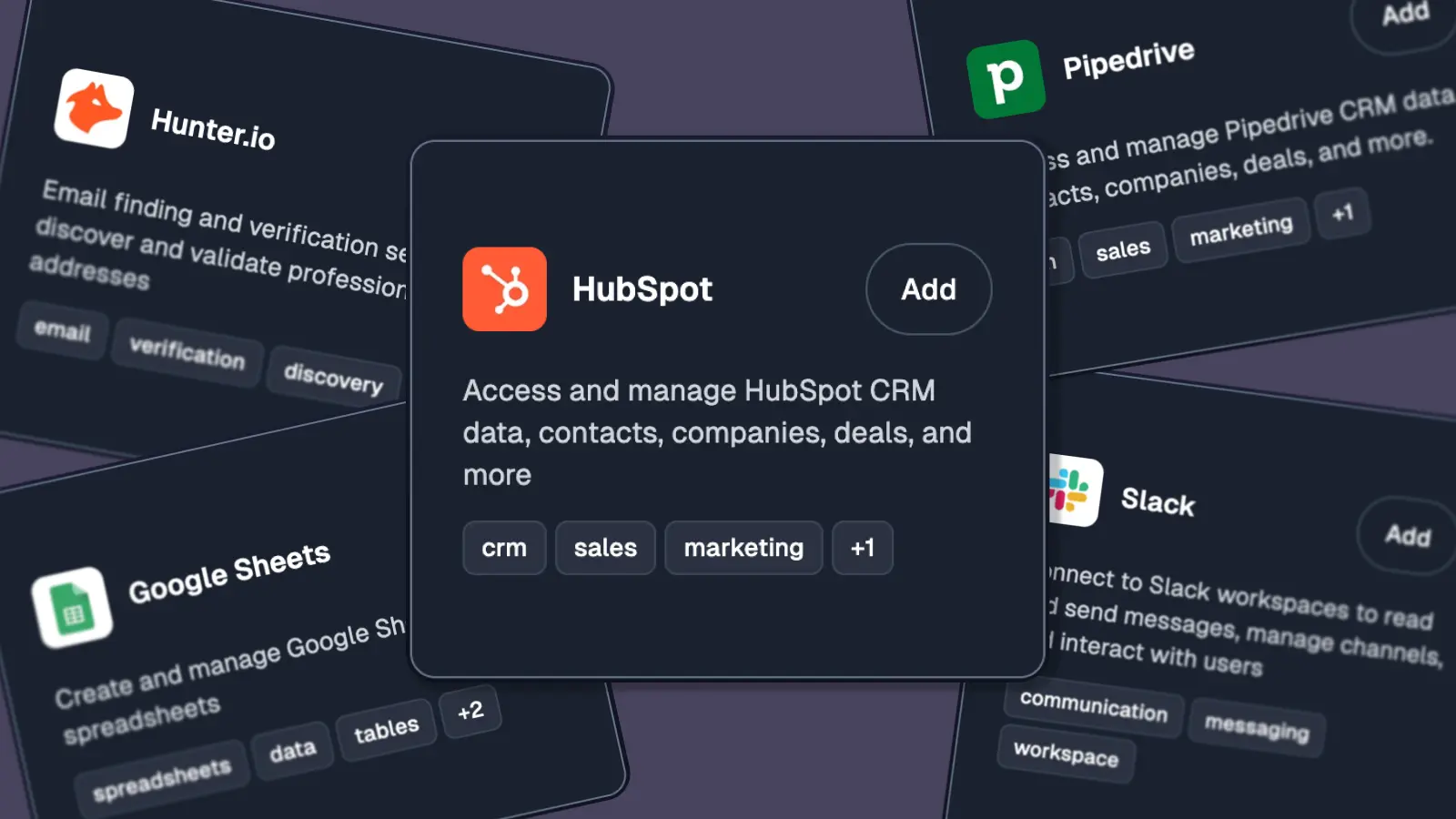
Civic Nexus now accelerates prospecting, strengthens pipeline execution, and keeps every deal in clear view. The revenue stack features HubSpot, and is supported by Pipedrive, Hunter.io, Google Sheets and Google Analytics.
Revenue teams rarely suffer from a lack of ambition. They plan boldly, reach wide, and invest in relationships that should compound over time.
The tension shows up in quieter moments. A campaign performs well but no one can say which leads actually turned into revenue. Deals enter the funnel and quietly disappear. A forecast looks steady until the end of the quarter proves otherwise.
None of this points to weak execution. It points to friction. Data lives in capable tools, but questions require stitching context across systems. Time slips away while teams search for answers they know must already exist.
Civic Nexus closes that gap. By orchestrating tools like HubSpot, Pipedrive, Hunter.io, Google Analytics, and Google Sheets, it turns everyday revenue questions into direct action. Teams focus on decisions instead of dashboards. Leaders see movement instead of noise. The work keeps moving because the context stays intact.
Here is how that looks inside a revenue team that wants clearer signals and steadier momentum.
A revenue leader starts in HubSpot, looking for clarity on what actually drives growth. They want to focus attention on the sources that convert into real revenue, not just volume. To narrow the view and get a clean answer, they ask Civic Nexus:
Which lead sources are generating the most revenue?
Later, the same HubSpot dashboard raises a harder question. Leads enter the funnel, but not all of them make it through. The team needs to see where interest drops before deals form. To understand where momentum fades, they turn to Civic Nexus and ask:
Show me where we’re losing leads in the funnel.
As accounts mature, HubSpot also holds early signals of risk. Changes in engagement often appear long before churn becomes obvious. Leaders want those signals early, while there is still time to respond. To surface warning signs, they ask:
Identify churn risks based on recent HubSpot activity.
In Pipedrive, pipeline health depends on steady motion. Deals without activity rarely recover on their own. To bring stalled opportunities back into focus, the team asks Civic Nexus:
List all deals with no activity in the last 7 days.
When prospecting expands, Hunter.io becomes the starting point. A raw contact list needs context before it turns into outreach. The team wants to prioritize accounts that actually match their ICP. To shape that list into something actionable, they ask:
Enrich this list of contacts and summarize best-fit ICP matches.
Traffic data lives inside Google Analytics, but insight often lags behind. Leaders want to know which channels convert, not just which ones attract visits. To bring performance into focus, they ask:
Show conversion rate by traffic source.
Finally, weekly numbers come together in Google Sheets. The data exists, but forecasting still takes manual effort and interpretation. To move faster with confidence, they ask Civic Nexus:
Pull in my weekly pipeline data and generate a simple forecast.
Across all of these moments, the shift feels steady and grounded. Questions turn into answers without extra steps. Teams stay focused because insight arrives already shaped for action. No switching tools to keep context straight. No waiting on custom reports to see what changed.
HubSpot remains the center for customer activity. Pipedrive tracks deal progression. Hunter.io fuels prospecting. Google Analytics measures performance. Google Sheets supports planning and review. Civic Nexus connects them so revenue teams can see clearly, act decisively, and keep every deal in view.
If your team wants to prospect smarter, diagnose issues earlier, and move revenue forward with confidence, the revenue stack inside Civic Nexus is ready for you.


